Showing posts with label fungus. Show all posts

Friday, 6 June 2014

Week 51: Glistening Inkcap ('Coprinellus micaceus')

The Glistening Inkcap was @SpeciesofUK from 17th to 23rd February, 2014.

The glistening inkcap is a fungus that is often found growing around dead wood. It used to be known as ‘mica’ inkcap on account of the tiny granules that glisten on the surface of immature specimens.[1]

Glistening Inkcap
[Flickr Creative Commons ©  Donald Hobern]

Glistening inkcap is extremely widespread. It's common in Europe and North America and also most parts of Asia, South America and Australia.[2]

Tuesday, 20 August 2013

Week 25: Dog Lichen (‘Peltigera’)

Dog Lichen was @SpeciesofUK from 2nd to 8th June, 2013.

Peltigera, the 'dog lichens,' is a genus of about 91 species of lichen. Peltigera is from 'pelta' meaning small shield, in reference to its shape.[1]

Dog Lichen
[Source: Flickr Creative Commons © amadej2008]

Dog lichen can occur on moss, trees, rocks, but most often you'll see them growing directly on soil.[2] They are just one grouping within the diverse and wonderful world of lichens!

Friday, 8 March 2013

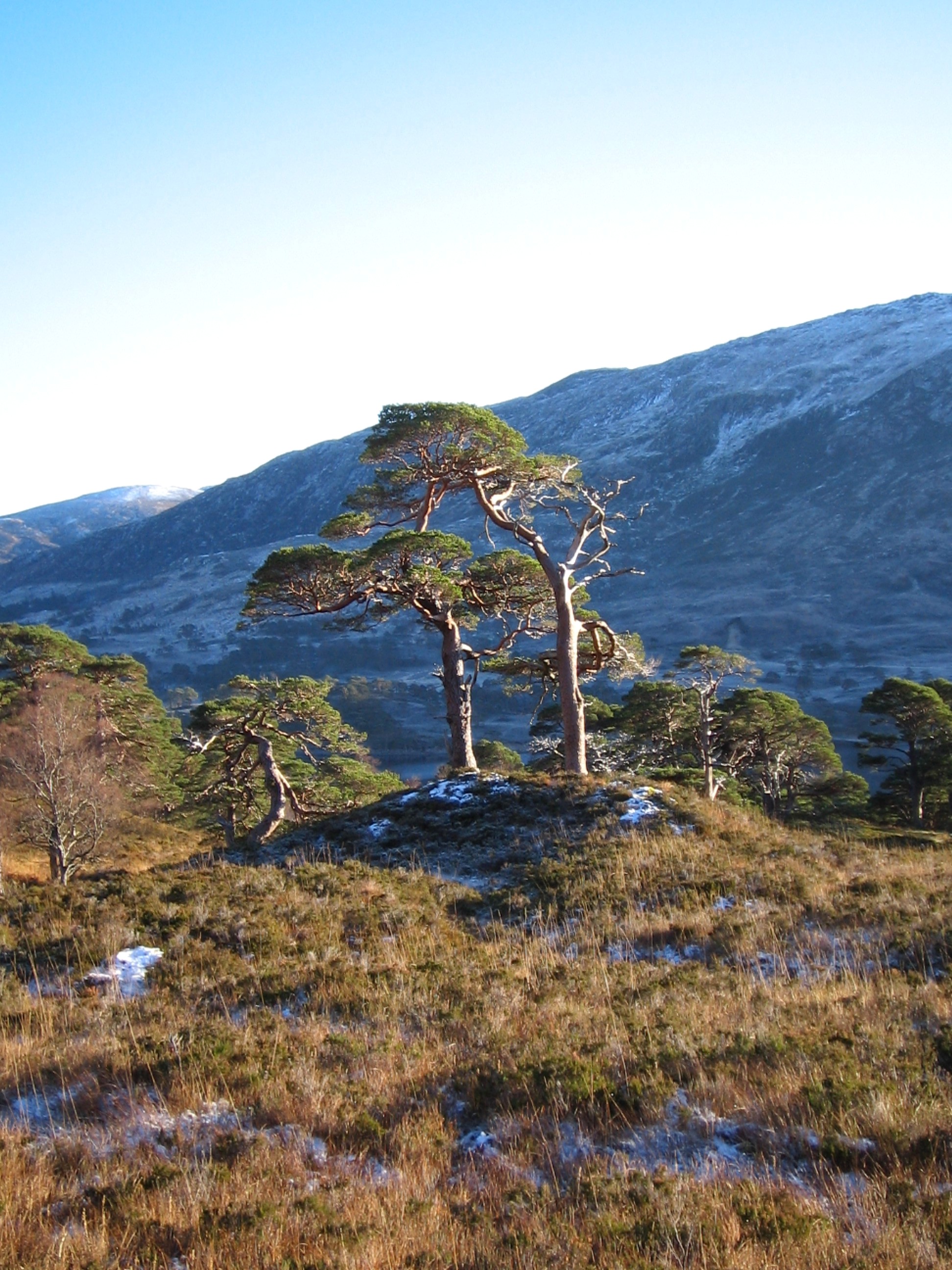
Week 10: Scots Pine (Pinus sylvestris)


The Scots pine was @SpeciesofUK from 3rd to 9th February 2013.

The UK only has three native conifers - Juniper, Yew and Scots Pine. Of these, Scots Pine is the UK's only native pine.

Scots Pine is native to Northern Europe and Asia. It ranges from Ireland in the west to Siberia in the east and Portugal and the Caucasus in the south. In fact, the Scots Pine is the most widely distributed conifer in the world.[1]

Scots Pine, Glen Affric
[Source: Chris]

In the UK, the Scots Pine’s natural range is restricted to Scotland. It is the dominant tree in the UK’s only truly native pine forest, the Caledonian Forest in Scotland.