Showing posts with label seeds. Show all posts

Wednesday, 10 September 2014

Week 61: Flax ('Linum usitatissimum')

Flax was @SpeciesofUK from 19th to 26th May, 2014.

Flax is a food and fibre crop cultivated throughout the cooler regions of the world. It is known for its very distinctive blue flowers.[1]

Saturday, 7 June 2014

Week 52: Deadnettle ('Lamium')

Deadnettles were @SpeciesofUK from 24th February to 2nd March, 2014.

Deadnettles are forty to fifty species of herbaceous plants that make up the genus Lamium.[1]

Red Deadnettle, Lamium purpureum
[Flickr Creative Commons © Gertrud K]

The UK has a number of deadnettle species growing wild. 

Monday, 28 April 2014

Week 49: Lesser Celandine ('Ranunculus ficaria')

The Lesser Celandine was @SpeciesofUK from 3rd to 9th February, 2014.

Lesser celandine is a perennial member of the buttercup family. It is native to Europe and western Asia and has become invasive in North America.[1]

Lesser Celandine
[Flickr Creative Commons © Steve Chilton]

In the UK, lesser celandine is widespread in woods, hedgerows and on the banks of streams, and can also be found in gardens where it is considered a weed.[2] 

Saturday, 15 February 2014

Week 40: Chickweed (‘Stellaria media’)

Chickweed was @SpeciesofUK from 28th October to 3rd November, 2013.

Common chickweed, Stellaria media, is one of the UK's commonest weeds.

Chickweed
[Flickr Creative Commons © David Illig]

It is an ephemeral species requiring only around thirteen weeks to flower and set seed. It can appear throughout the year.[1]

Friday, 17 January 2014

Week 34: Rosebay Willowherb (‘Chamerion angustifolium’)

Rosebay Willowherb was @SpeciesofUK from 9st to 15th September, 2013.

Rosebay willowherb is easily recognisable from its tall, pink flower spikes crowding in thick stands in open spaces like verges and waste ground.[1]

Rosebay Willowherb
[Source: Flickr Creative Commons © Anita363]

It is a member of the Onagraceae family, which includes the willowherbs, evening primroses and fuchsias. 

Monday, 6 January 2014

Week 31: Bramble (‘Rubus fruticosus’)

The Bramble was @SpeciesofUK from 4th to 17th August, 2013.

The bramble is a common deciduous shrub native to the UK. It's found all over from woodlands to wasteland to dunes.[1]

The Bramble
[Source: Flickr Creative Commons © bbusschots]

If you don't know the bramble you'll definitely know its fruit, the scrumptious blackberry.

Sunday, 14 July 2013

Week 22: Hogweed (‘Heracleum Sphondylium’)

Hogweed was @SpeciesofUK from 5th to 11th May, 2013.

Common hogweed, Heracleum sphondylium, is found all across Europe (except Iceland) and into Asia and North Africa.[1]

Hogweed is commonly found in UK hedgerows, meadows and woods. Indeed, it's familiar even to many who don't know its name.[2]

Hogweed, a common British plant
[Source: Flickr Creative Commons © Rhisiart Hincks >>> IPERNITY]


The genus name Heracleum refers to the Greek mythic hero Heracles, on account of the plant’s size. The species name sphondylium means 'vertebrae' and refers to the shape of its segmented stem.[3]

Friday, 8 March 2013

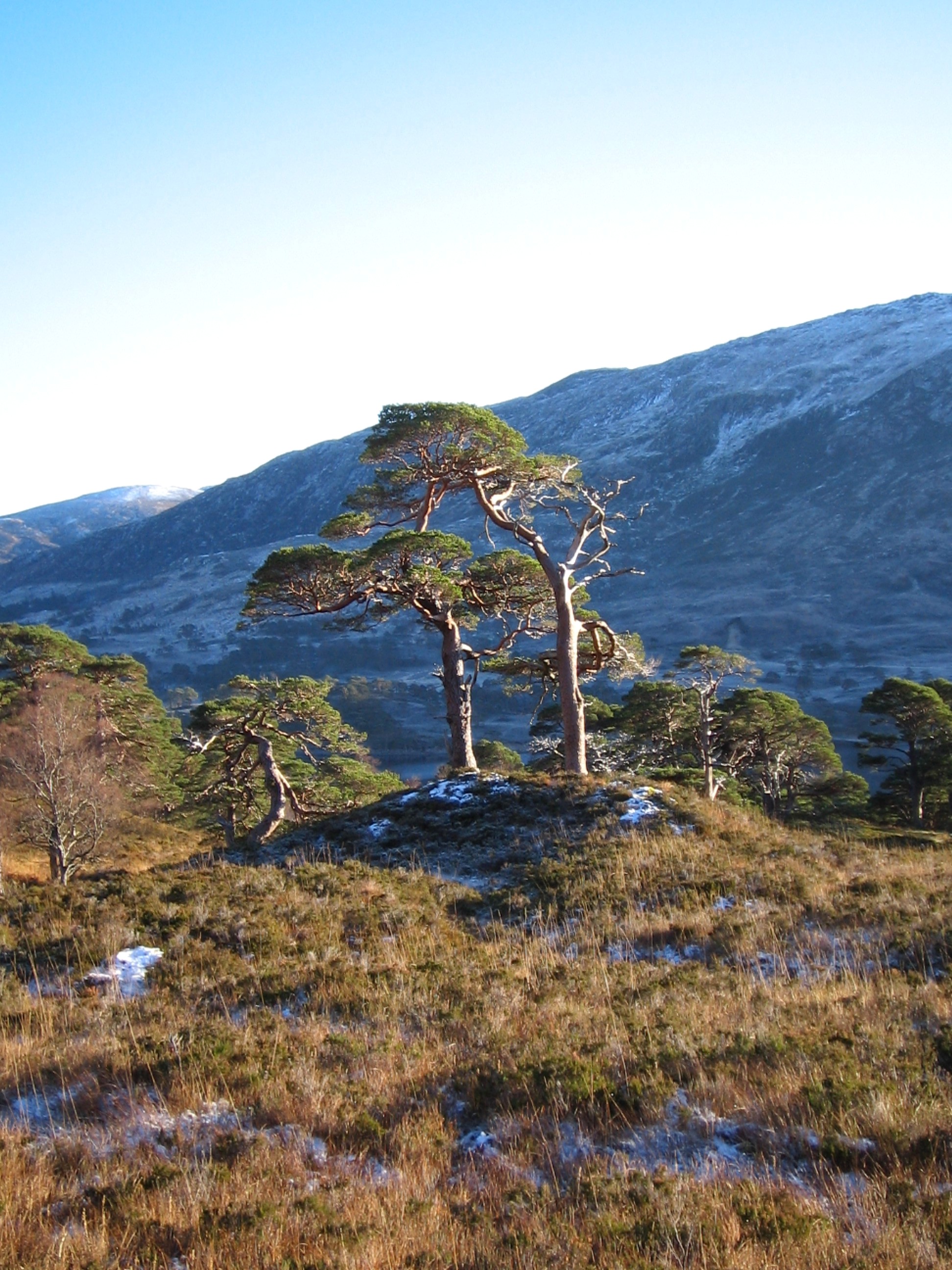
Week 10: Scots Pine (Pinus sylvestris)


The Scots pine was @SpeciesofUK from 3rd to 9th February 2013.

The UK only has three native conifers - Juniper, Yew and Scots Pine. Of these, Scots Pine is the UK's only native pine.

Scots Pine is native to Northern Europe and Asia. It ranges from Ireland in the west to Siberia in the east and Portugal and the Caucasus in the south. In fact, the Scots Pine is the most widely distributed conifer in the world.[1]

Scots Pine, Glen Affric
[Source: Chris]

In the UK, the Scots Pine’s natural range is restricted to Scotland. It is the dominant tree in the UK’s only truly native pine forest, the Caledonian Forest in Scotland.

Thursday, 24 January 2013

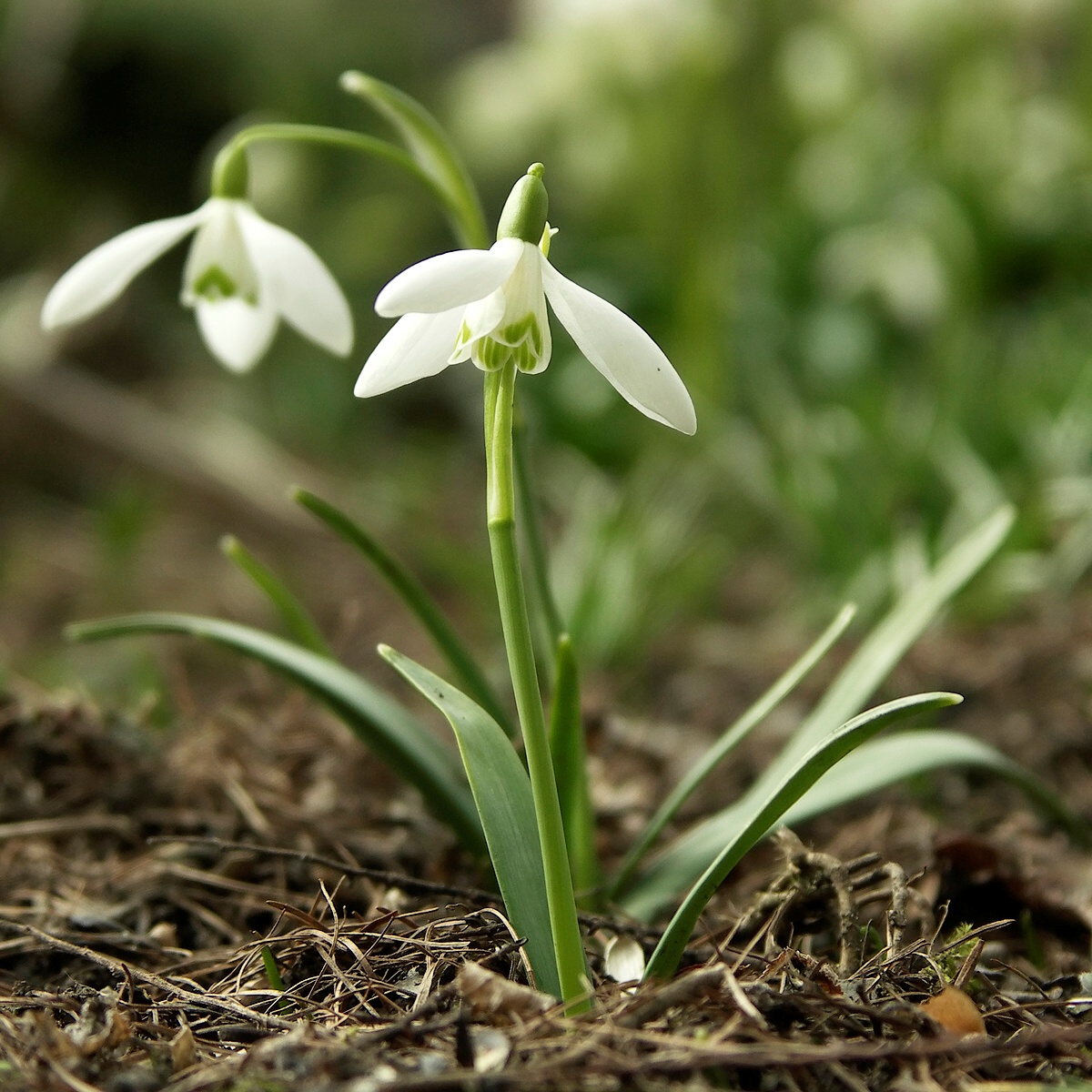
Week 7: Common snowdrop (Galanthus nivalis)

The snowdrop was @SpeciesofUK from 13th to 19th January 2013.

Common Snowdrops, Galanthus nivalis, are the most widespread of the 19 species in the genus Galanthus, all of which are known as “snowdrops.”

Snowdrop, Galanthus nivalis
[Source: Caroig]

Snowdrops occur from the Ukraine to the Pyrenees, and from Greece to Poland. They are not actually native to the UK. The snowdrop wasn’t recorded wild in the UK until the 1770s.1

Sunday, 30 December 2012

Week 4: Mistletoe (Viscum album)

Mistletoe was @SpeciesofUK from 23rd to 29th December 2012.

There are over 1,500 species of mistletoe. Most are found in the tropics. They are parasitic woody plants that grow on tree branches.1

Only one species of mistletoe is native to the UK. This is the European White-berried Mistletoe, 'Viscum album.'

Mistletoe 'Viscum album'
[Source: James K. Lindsey]